












Aunque no podemos negar que este 2019 ha sido un punto de inflexión, en cuanto a ventas de vehículos 100% eléctricos en España, la venta de este tipo de vehículos no termina de despegar de una manera definitiva.
Ciertamente la venta de vehículos 100% eléctricos va aumentando exponencialmente. En el primer semestre de 2018, en España se vendieron 2.343 vehículos eléctricos puros, prácticamente un 100% más que un año antes, y en este 2019 en el mismo periodo se han vendido 5459 vehículos, un 132,99% más que en 2018.
A priori esto parece un gran logro pero si extrapolamos los números al total de vehículos vendidos, 692.472, los vehículos eléctricos apenas suponen un 0,79% de las ventas. Se puede observar claramente con estos datos que la implantación del vehículo eléctrico no termina de calar entre el consumidor, a pesar de los constantes mensajes por parte de las administraciones de masterarbeit ghostwriters, más antes que después, dejaran de permitirse los vehículos de combustión puros.
Barreras a solucionar para una implantación masiva de vehículos eléctricos
Existen principalmente 3 grandes escollos para que se pueda realizar una implantación masiva de este tipo de vehículos.
El primero de ellos está relacionado con las baterías, la mayoría de consumidores consultados indican que uno de los principales problemas por el que no se comprarían un coche eléctrico son las baterías, con las baterías actuales existe una falta de confianza por parte del consumidor, tanto en la incertidumbre sobre el número de recargas que permiten antes de tener que ser reemplazadas, como a su fiabilidad (algunos eléctricos han sufrido incendios en sus baterías) y su duración (pocos vehículos consiguen una autonomía superior a los 500 km reales). Por tanto uno de los principales problemas es tecnológico y deberá ser resuelto por los fabricantes si desean que esta nueva tecnología cale entre los consumidores de manera masiva.
El segundo problema es el precio y la poca incentivación que existe. Un vehículo eléctrico es notablemente más caro, y para facilitar a los vendedores el poder vender este tipo de vehículos, sería recomendable que existiese un plan renove de cierta envergadura, que permita que los bolsillos menos afortunados también tengan acceso a este tipo de vehículos.
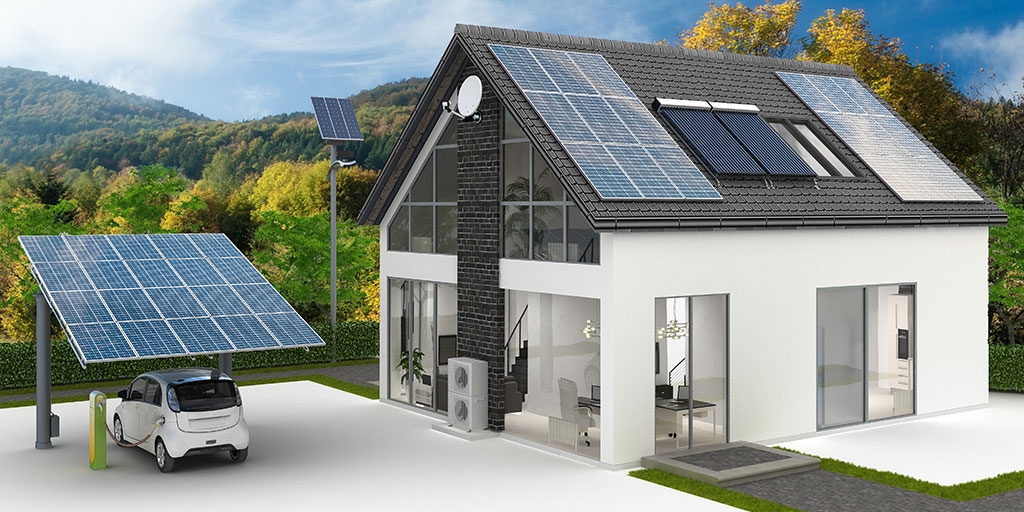
Por último, la falta de infraestructuras para la recarga de estos vehículos es una auténtica barrera casi insalvable. No puede ser que se pretenda una implantación masiva, con el parque de puntos de recarga tan pobre que se tiene en seminararbeit ghostwriting, apenas 4.871 zonas con 12.639 enchufes en total. Hasta que esta situación mejore, es muy fácil que la mayoría de consumidores no se decante por la compra de un vehículo 100% eléctrico, probablemente la gente más cabal opte por una opción como mucho híbrida, que le garantice no quedarse "tirado" en ningún sitio.
Los más vendidos
En lo que respecta a las ventas, Tesla se sitúa a la cabeza gracias a la llegada al mercado español del Model 3, su modelo concebido para el gran público. Pese al retraso en las entregas sufrido en los primeros meses del año, el hausarbeit schreiben lassen ha conseguido que la marca californiana vaya escalando posiciones para ganarle la partida a Nissan o Renault, por tradición las más vendidas en este segmento.
La firma capitaneada por Elon Musk ha crecido sólo en el mes de junio un 718,60 % con 352 coches matriculados, según datos de la Asociación Nacional de Importadores de Automóviles, Camiones, Autobuses y Motocicletas (Aniacam). Y en el acumulado del año también ha experimentado un más que notable crecimiento (+556,45 %) registrando un total de 1.221 automóviles comercializados hasta la fecha.
Del grueso de ventas de Tesla, el 86 % se lo lleva el Model 3 con 1.051 modelos matriculados en comparación a las 88 unidades vendidas del Model S y a las 82 unidades comercializadas del Model X.
En estos primeros seis meses de 2019, el segundo modelo eléctrico más vendido ha sido el Nissan LEAF (1.035 unidades) y el tercero el Renault ZOE (551 unidades), dos de los más veteranos de nuestro mercado que se han visto superados, por poco en el caso del LEAF, por el recién llegado Model 3.










 14 Sep.25