












Los laboratorios de BP llevaban desde hace 5 años buscando una nueva tecnología que mejorase el rendimiento del coche. Durante el proceso se dieron cuenta de que la suciedad era el factor más importante en cuanto al empobrecimiento del rendimiento se refiere.
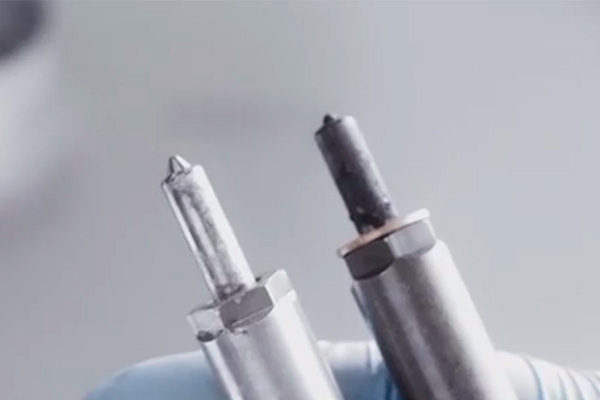
Demostraron que la suciedad perjudica los sistemas clave del motor (los inyectores, las válvulas, el turbocompresor y el filtro de partículas), lo cual hace que estas piezas no puedan alcanzar su máximo rendimiento.
Principalmente observaron que al tenerse que oxigenar, un motor con unas válvulas de admisión (gasolina) o unos filtros de partículas (diésel) atascados podian congestionar el motor limitando su rendimiento, además, bachelorarbeit ghostwriting son pequeños y no tienen por qué bloquearse por completo para que la suciedad ya los afecte negativamente.
¿Qué tipos de suciedad existen?
Seguro que a estas alturas uno se pregunta qué tipo de suciedad es la que se nos puede presentar en un motor. El tipo de suciedad depende en parte del tipo de motor pero de manera común tanto los motores diésel como los gasolina pueden presentar los siguientes tipos de suciedad.
Depósitos carbonosos que se acumulan en las superficies calientes del inyector y pueden bloquear sus diminutos orificios. Estos depósitos también se pueden formar sobre otros componentes sometidos a altas temperaturas como el sistema EGR (recirculación de los gases de escape) y acumularse en otros, como por ejemplo, en los turbocompresores.
Partículas sólidas de hollín originadas por combustible parcialmente quemado.
Partículas metálicas sólidas producidas por el desgaste de los componentes del motor. Estas partículas son abrasivas y pueden incrementar aún más su deterioro.
Y también existe suciedad que puede aparecer de manera exclusiva diplomarbeitenschreibenlassen.de tipo de motor, por ejemplo en los motores diésel pueden aparecer impurezas derivadas del proceso de elaboración del carburante, y en el caso de los motores a gasolina pueden aparecer depósitos en la válvula de admisión, dichos depósitos se forman cuando los gases de combustión se mezclan tanto con el carburante como con el lubricante en la superficie de la válvula, este tipo de motores también puede tener acumulaciones derivadas del aceite.
Tecnología ACTIVE para evitar la suciedad
Al darse cuenta del problema, los laboratorios de BP realizaron diferentes pruebas hasta lograr dar con un producto que evitase los problemas de suciedad en los vehículos, así nació la tecnología ACTIVE anti suciedad.
Esta tecnología, aplicada actualmente a todos los carburantes BP, evita que se creen depósitos de suciedad en el motor lo cual mejora notablemente el rendimiento del coche, concretamente en las pruebas realizadas en el laboratorio se logró que el mismo vehículo en exactamente las mismas condiciones rindiese 56Km más por depósito en el caso de los motores diésel y 44 Km más en el caso de ghostwriter dissertation.
Esta tecnología es tan efectiva que con tan solo 2 repostajes se logra limpiar los depósitos de suciedad obteniendo el rendimiento mencionado a partir de ese momento.

















 14 Sep.25