



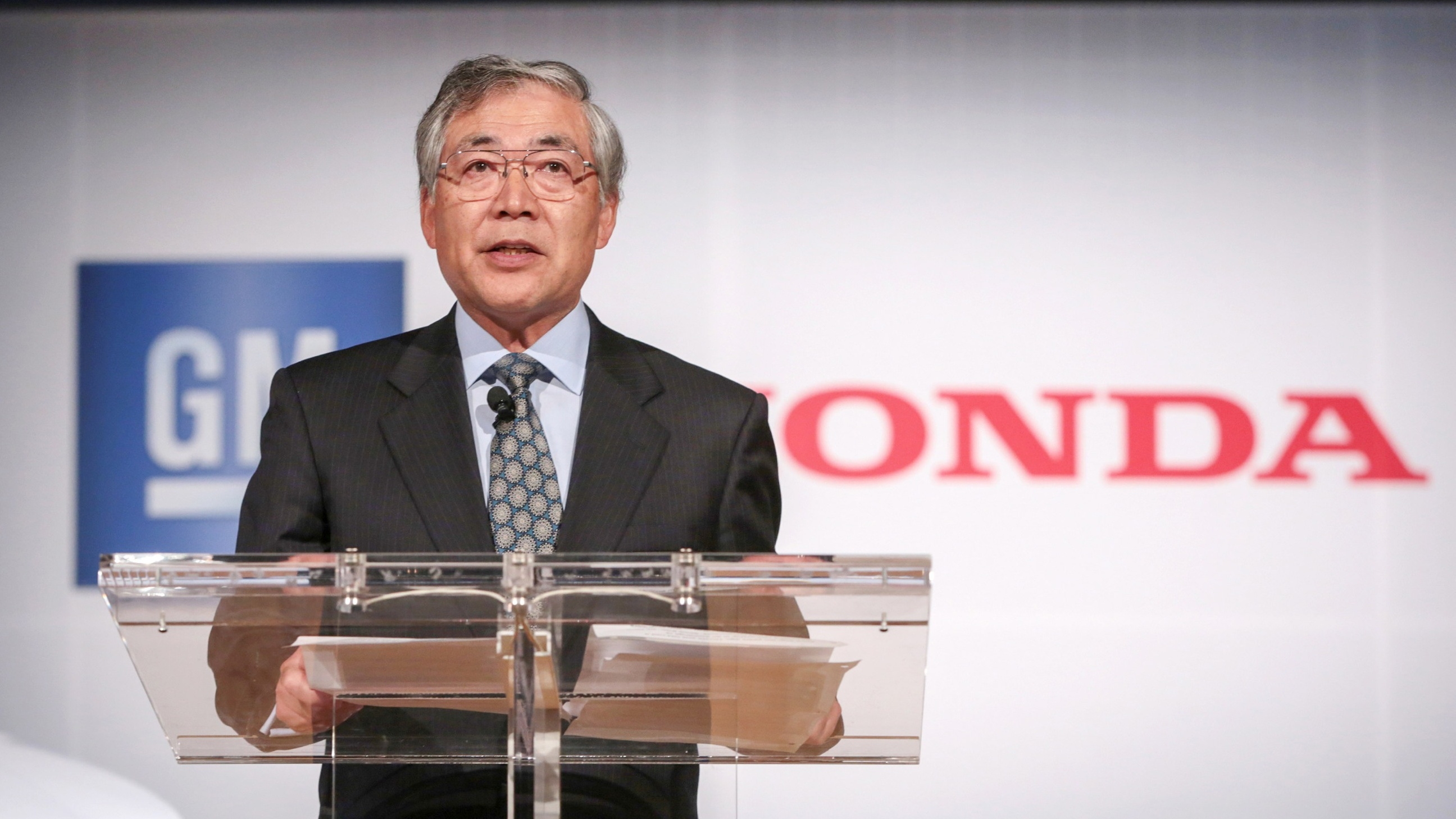
General Motors y Honda han acordado desarrollar conjuntamente una batería de combustible de próxima generación, así como tecnologías de almacenamiento de hidrógeno para el año 2020. Esta colaboración se basa en compartir conocimientos, economías de escala y estrategias de contratación comunes.
GM y Honda encabezan la innovación en tecnologías de baterías de combustible. Entre ambos poseen más de 1.200 patentes presentadas entre 2002 y 2012 ocupando el nº1 y nº2 en el Índice de Crecimiento de Patentes de Energía Limpia.
"Esta colaboración se basa en los puntos fuertes de Honda y GM como líderes en la tecnología de células de combustible de hidrógeno", dijo Dan Akerson, presidente y CEO de GM. "Esta importante tecnología, tiene el potencial para ayudar a reducir la dependencia del petróleo y establecer una movilidad sostenible".
Takanobu Ito, presidente y CEO de Honda dijo: "Entre todas las tecnologías de emisión cero de CO2, los vehículos de batería eléctrica tienen una ventaja definitiva con un rango de tiempo de recarga de combustible tan bueno como los coches de gasolina convencionales. Honda y GM están dispuestos a acelerar la penetración de mercado de esta última tecnología de movilidad limpia. Me siento muy emocionado de formar parte de esta colaboración para fusionar nuestras principales tecnologías de pilas de combustible y crear un sistema avanzado que será tanto o más capaz y más asequible".
Programas desarrollados por General Motors y Honda e cuanto a baterías eléctricas e hidrógeno
GM inició en 2007 el programa Proyecto Driveway que ha acumulado casi 3 millones de kilómetros de conducción en el mundo real en una flota de 119 vehículos impulsados por hidrógeno, más que cualquier otro fabricante de automóviles.
Honda, por su parte, comenzó alquilando el Honda FCX en el 2002 y ha desplegado 85 unidades en los EE.UU. y Japón, incluyendo su sucesor, el FCX Clarity, que fue nombrado el Auto Mundial Verde 2009. Honda ha entregado estos vehículos a clientes en los EE.UU. y ha recogido valiosos datos sobre el uso real de combustible de los vehículos de batería eléctrica.
Como ya se anunció, Honda planea lanzar el sucesor del FCX Clarity en Japón y Estados Unidos en 2015, y luego en Europa. GM anunciará sus planes de producción de pilas de combustible en una fecha posterior.
Las baterías eléctricas y de hidrógeno abordan muchos de los grandes retos de los automóviles de hoy - la dependencia del petróleo, las emisiones, la eficiencia, alcance y tiempos de recarga. Los vehículos de pila de combustible pueden funcionar con hidrógeno renovable a partir de fuentes como la eólica y la biomasa. La única emisión de los vehículos de pila de combustible es el vapor de agua.
Además, los vehículos de pila de combustible puede tener un alcance de hasta 643 kilómetros de conducción, pueden recargarse en tan sólo tres minutos, y la batería de combustible puede ser utilizada en vehículos pequeños, medianos y grandes.







 14 Sep.25