














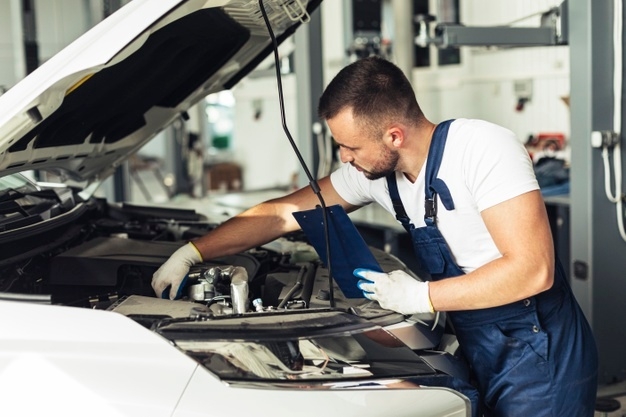
Estos días más que nunca, es muy probable que muchos de nosotros debamos dejar parado nuestro vehículo durante un largo tiempo. Os ofrecemos algunas pautas para evitar averías y problemas debidos a la falta de uso del mismo, además de recomendaciones sobre su limpieza.
Se trata de recomendaciones genéricas que cada uno deberá adaptar a sus circunstancias particulares, ya que la mecánica de cada tipo de vehículo es muy diferente. No es comparable tampoco el que el vehículo esté estacionado en un garaje que a la intemperie. También deberemos adaptarnos a las circunstancias de cada país en cuanto a la orden de confinamiento por el COVID-19 que tiene cada uno, para evitar incumplir la misma.
Estacionamiento
La mejor opción puede parecer el aparcamiento cubierto (en circunstancias normales así es), y muchos podéis pensar que lo mejor es lavar el exterior del coche para desinfectarlo, pero eso es un error, en caso de que el vehículo estuviese infectado el riesgo de contagio será mucho mayor si lo intentamos llevar a lavar que si dejamos que el virus desaparezca por si mismo evitando simplemente el contacto con la superficie, si dejamos el coche en el exterior aunque se ensucie más, si hace sol y una buena temperatura, el virus permanecerá activo muy poco tiempo. Lo único que puede ser interesante desinfectar es el tirador de la puerta.
En cuanto al interior del vehículo todo depende, si solo utilizamos nosotros el vehículo (que debería ser lo normal) bastaría con una desinfección previa de nuestras manos al entrar y salir, una desinfección de los tiradores, volante y palanca de cambios. Si por el contrario viajamos con alguien (o queremos tomar el máximo de precauciones), si podría ser interesante una limpieza interior, eso sí, llevando siempre guantes de protección desechables durante la limpieza. Para la limpieza en profundidad, además del salpicadero, no hay que olvidarse de la tapicería ya que nuestra ropa está siempre en contacto directo con ella. Si llevamos guantes jamás debemos tocarnos la cara con ellos, tanto si los usamos para la limpieza (imprescindible) como para el uso habitual del vehículo (recomendable).
SI NUESTRO VEHÍCULO VA A ESTAR PARADO UN LARGO TIEMPO
Si vamos a estar estacionados un largo tiempo es recomendable realizar ciertas comprobaciones y rutinas para evitar problemas.
Batería
Si es posible, conviene desconectar la batería para que no se descargue. Y en la situación actual, no se debe realizar esta operación en la vía pública, donde no se permite ninguna actividad que no esté justificada. Pero si se puede hacer en un garaje particular, bastará con desmontar el borne negativo de la masa para conservar la carga durante algunas semanas.
Y habrá que tener en cuenta que muchos coches modernos requieren introducir un código para volver a funcionar tras conectarla de nuevo. En otros modelos, desconectar la batería provoca, la desconfiguración del sistema electrónico, que no arranque después. Por ello esta operación exige consultar detenidamente lo que indica al respecto el manual de mantenimiento del vehículo.
Neumáticos
Es recomendable que los neumáticos tengan un poco más de presión de la normal, esto evitará que se deformen (máximo un 20% más de presión). Lo ideal, si se puede, sería mover el coche unos centímetros cada semana para que no descanse siempre sobre la misma zona de la rueda. Y muy importante, habrá que acordarse de reestablecer la presión correcta cuando se vuelva a circular.
Freno de mano
No levantar del todo la palanca del freno de mano, en el caso de que sea mecánico, para evitar que se agarrote con el tiempo. Dejar una marcha puesta para inmovilizar el vehículo y, si es necesario, bloquear las ruedas mediante cuñas para mayor seguridad.
Combustible
Es muy recomendable que el depósito quede siempre por encima de la mitad de su capacidad, de esa forma evitaremos que se creen sedimentos o condensación de agua, la cual es muy dañina para los motores diésel.
VUELTA A LA ACTIVIDAD
Una vez pase el periodo de inactividad del vehículo debemos tomar algunas medidas para la puesta en marcha, evidentemente cuanto mayor haya sido el tiempo durante el cual no hemos movido el vehículo, más precauciones debemos tener.
Lógicamente lo primero que debemos hacer es reconectar la batería (si la hemos desconectado) y verificar su estado de carga, además de comprobar la presión de los neumáticos, volviendo a ponerlos a la presión normal en caso de que hayamos optado por subir la presión, para el periodo en el que no hemos usado el vehículo.
Comprobar los niveles de líquidos y de combustible
Se recomienda realizar una revisión del nivel del líquido refrigerante y del aceite del motor, además del líquido de frenos y el aceite de caja de cambios. Durante la comprobación, también es aconsejable fijarse en la existencia de una posible fuga de combustible que pueda haber dejado el depósito vacío.
Verificar las correas y su estado
Es recomendable revisar el estado de todas las correas o cadenas del vehículo, pues podrían haberse deteriorado considerablemente debido al periodo de inactividad. Una rotura de la correa de distribución puede ser fatal para el motor de un automóvil y su reparación es de las más costosas.
Arrancar el motor de manera progresiva
La inactividad en un vehículo suele ser sinónimo de problemas a la hora de arrancar, aunque no por esto debe convertirse en una norma. Por ello, a la hora de volver a poner en funcionamiento el motor de un coche que ha estado durante un tiempo parado tendremos que hacerlo de forma progresiva y sin forzar el arranque.
Si el arranque no es inmediato y tarda en poner en funcionamiento el sistema, forzarlo es lo menos recomendable. Realiza los intentos que sean necesarios y nunca sobrepases los 5 segundos en cada uno de ellos, pues en caso contrario el motor de arranque del coche podría verse seriamente afectado.
Mantener entre 5 y 10 minutos el coche a ralentí
Una vez hemos logrado poner en marcha el motor, es muy importante mantenerlo a ralentí durante 5 o 10 minutos, sin acelerar en ningún momento. De esta forma todos y cada uno de los sistemas se pondrán en funcionamiento y se engrasarán.
Una vez transcurridos esos 5 o 10 minutos de espera, ya podremos iniciar la marcha para seguir comprobando que todos los elementos del vehículo tienen un comportamiento adecuado durante la conducción.
Si el coche no arranca, utilizar unas pinzas
Si la operación de arranque no ha tenido éxito, se recomienda emplear unas pinzas para comprobar si la batería es el origen del problema.
Durante la marcha, fijarse en ruidos poco convencionales
Es posible que una vez hayamos iniciado la marcha con nuestro vehículo después de que haya estado parado durante un periodo largo de tiempo, que escuchemos ruidos metálicos o chirridos. Dependiendo de si se trata de una cosa u otra, deberemos prestar atención a diferentes elementos de nuestro automóvil.
En el caso de que notemos ruidos metálicos, es recomendable esperar unos minutos con el motor en marcha para ver si persisten. En caso afirmativo lo más aconsejable será llevar el coche al taller para que revisen en profundidad si alguna pieza ha sufrido un desgaste prematuro o está agarrotada por el óxido.
Por el contrario, si el ruido que percibimos es similar a un chirrido es probable que se deba al desgaste en alguna de las correas del vehículo, por lo que también habrá que revisarlas individualmente para identificar cuál es su origen.
Así mismo, es muy importante ser pacientes durante todo el proceso y realizar el arranque con calma ya que no todos los vehículos arrancan a la primera tras un periodo de inactividad. Además también pueden influir otros factores como el clima, o el punto geográfico donde se encuentre ubicado nuestro automóvil.


















 14 Sep.25